A complete content library on bartender training, responsible alcohol service, documentation, competency, and training liability. Organized into five pillars that together cover the operational, legal, and practical dimensions of defensible bartender training.
Each pillar below has a comprehensive hub page covering the topic in depth, plus supporting cluster pages for specific sub-topics. Start with the pillar most relevant to your situation, or work through all five for a complete picture.
How to structure, sequence, and deliver bartender training. Curriculum design, onboarding sequences, skills progression, certification milestones, ongoing education, and how to write a training manual that actually gets used. Start here if you are building a training program from scratch or evaluating an existing one.
The foundational framework for alcohol service training. RBS principles, intoxication recognition, refusal protocols, underage service prevention, and how state-specific certifications (TIPS, ServSafe Alcohol, state RBS programs) fit with internal operator training. Houses state-specific pages for jurisdictions where state-mandated training generates meaningful search demand.
Undocumented training does not exist from a legal perspective. The paper trail that defends against negligent training claims: training records, acknowledgement forms, competency documentation, incident reporting, and the retention policies that matter when cases go to trial. Particularly valuable for operators who are compliant in practice but cannot prove it on paper.
Knowing your staff can actually do the work. Skills testing, competency assessments, practical evaluations, scoring rubrics, and the remediation workflows that turn underperformers into competent staff or move them out appropriately. Most competitor content in this space is trivia quizzes. This is operator-grade competency infrastructure.
Where training and the legal system intersect. Dram shop liability fundamentals, the role training plays in civil defense, Safe Harbor provisions (particularly Texas TABC 106.14), standard of care analysis, and the documentation elements that matter most when cases go to trial. The pillar where attorneys and risk professionals will spend the most time.
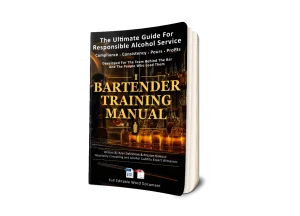
The content library above covers the framework and strategic layer. For the operational detail — actual training protocols, specific refusal scripts, sample policies, assessment tests, incident report templates, disciplinary frameworks, and the complete documented training program — the flagship product is The Ultimate Responsible Alcohol Service Manual.
140 pages. Customizable. Built to documentation standards that hold up in court.
All content in this library is authored by Ryan Dahlstrom, a hospitality industry veteran with 20+ years of operations experience and an active dram shop and alcohol service liability expert witness. Learn more about Ryan.
AUTHOR
Ryan Dahlstrom
Author & Expert Witness
20+ years of hospitality operations. Author of The Ultimate Responsible Alcohol Service Manual.