TRAINING CURRICULUM · ONBOARDING

Onboarding is the first three days. Done well, it sets the foundation for everything that follows. Done poorly, it creates defensibility gaps that never fully close. This page covers the structured onboarding process a bartender should move through before the first independent shift.
Three things happen during onboarding that do not happen well later:
Onboarding is where the defensibility layer of training starts. Everything else builds on what happens in these first three days.
Standard HR intake. W-4, I-9, direct deposit, benefits enrollment where applicable. These are administrative but need to be complete before the new hire can work a legitimate shift.
This is where onboarding diverges from generic HR intake. Each major expectations document is reviewed verbally with the new hire and signed:
Each document is signed separately. Generic ‘I received the handbook’ blanket acknowledgements are significantly weaker than specific acknowledgements tied to specific content.
A conversation with the new hire about the venue’s values, service philosophy, and culture. This is relationship-building but also foundational: a bartender who understands what the venue stands for is more likely to represent it correctly.
Full walk-through of the venue:
Deeper familiarization with the actual work area:
Meet the people the new hire will actually work with — other bartenders, barbacks, servers on the floor, kitchen staff, and managers. Names, shifts, and roles. A new bartender who knows who their teammates are will integrate faster than one who is still figuring out the org chart in week three.
Explicit review of the disciplinary progression:
This conversation is often skipped or softened. It should not be. A new hire who clearly understands the disciplinary framework is protected by that clarity as much as the venue is.
The first substantive exposure to responsible alcohol service. Not the full training — that comes in Phase 2. Just the framework:
The Ultimate Responsible Alcohol Service Manual contains the full set of acknowledgement forms, training documents, and onboarding-ready materials referenced above — assembled as one operational document.
A complete personnel file by end of onboarding should contain:
This personnel file state is the baseline from which all subsequent training records build. For the form-by-form treatment of acknowledgements, see Training Acknowledgement Forms.
Each of these failures creates exposure later. A complete 3-day onboarding is relatively cheap and produces documentation that compounds in value over the employee’s tenure.
Bartender Training Curriculum →The full 4-phase framework
Bartender Training Checklist →Practical checklist for every phase
Training Acknowledgement Forms →Form-by-form treatment
Training Documentation Pillar →The documentation framework
Ryan Dahlstrom
Author & Expert Witness
20+ years of hospitality operations. Author of The Ultimate Responsible Alcohol Service Manual and active dram shop expert witness.
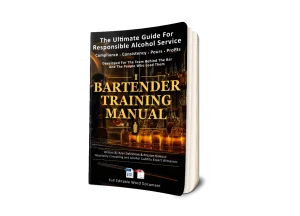
Includes acknowledgement forms · 140 pages
A printable Day 1, Day 2, Day 3 onboarding checklist with all paperwork, tour items, and standards conversations.
The Manual contains the full set of acknowledgement forms, expectations documents, and personnel-file-ready materials referenced throughout this onboarding framework.