RESPONSIBLE BEVERAGE SERVICE · REFUSAL PROTOCOLS

Refusing service is the hardest skill in bartending. Done well, it prevents incidents without escalating conflict. Done poorly, it creates the confrontations, injuries, and liability exposure the refusal was meant to prevent. This page covers practical refusal protocols: the graduated response framework, specific scripts for different situations, escalation procedures, and documentation requirements.
Outright refusal is the last step in a graduated response. Trained bartenders work through earlier interventions before reaching explicit refusal — the earlier interventions often prevent the need for outright refusal entirely.
Before the refusal point, a skilled bartender slows the pace:
This level is invisible to the guest but shifts the service trajectory. A guest whose third drink arrives 15 minutes later than the previous interval will consume less overall, often without realizing the service slowed.
Explicit but non-confrontational alternatives:
“Can I bring you some water with that?”
“Our kitchen has great appetizers — anything I can bring you?”
“We have some really good non-alcoholic options — can I offer you one?”
“Maybe a coffee to go with that?”
These offerings are hospitality, not refusal. They also shift consumption patterns without confrontation.
A more direct but still non-confrontational statement that slows or pauses service:
“Let me get you something to eat first — our kitchen closes soon.”
“I want to make sure you have a great rest of the night — can we slow down for a bit?”
“I am going to bring you some water and a menu.”
When earlier levels have not worked or the situation requires it, explicit refusal:
“I am not able to serve you another drink tonight.”
“I cannot serve you alcohol right now.”
“My responsibility is not to serve alcohol to someone in your situation. I am not able to serve you.”
Explicit refusal works best when the bartender has run through earlier levels. The guest has already had their pace slowed, been offered alternatives, and received verbal intervention — the explicit refusal is the logical conclusion, not an abrupt interaction.
Some situations require escalation beyond the bartender:
Manager involvement is not a failure of the bartender. It is a defined part of the protocol. Managers have authority and training the bartender does not — use them.
A regular guest you know well who has crossed the line tonight:
“Hey [name], I love having you here but I gotta take care of you tonight. Let me bring you some water and an appetizer, and I will check on you in a bit.”
A guest who has lost track of their consumption:
“I want to make sure you get home safe tonight. I am not going to be able to serve you another drink right now. Can I get you a cab or a rideshare? A menu? Some water?”
A guest who disputes the refusal:
“I understand you feel this is unfair. This is my decision and my responsibility. I am going to get my manager to come talk with you.”
A group where one member has crossed the line but others have not:
“I can still take care of the rest of your group. For [person], I am bringing water and some food. Next round is on the group, not [person].”
An ID check that does not resolve cleanly:
“I want to make sure this ID is yours. Can you help me with that — maybe another form of ID, or can you answer a couple questions about the details on this one?”
If uncertainty remains: “I am not able to serve you alcohol on this ID tonight. I can still get you water or a non-alcoholic option if you would like.”
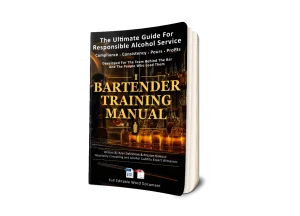
The Ultimate Responsible Alcohol Service Manual contains the complete refusal protocol set, scripts for additional scenarios, manager intervention procedures, and the documentation templates referenced below.
Every refusal gets documented. The refusal log entry includes:
A documented refusal history demonstrates that responsible service is actively practiced — it is both regulatory compliance and defensive evidence. Venues that refuse service but do not document refusals have weaker evidence of practice than venues with a full refusal log.
Responsible Beverage Service Pillar →The full RBS framework
Training and Liability Pillar →How refusal documentation matters in dram shop matters
Training Documentation Pillar →The documentation framework
The Ultimate Responsible Alcohol Service Manual →Includes full refusal protocols
Ryan Dahlstrom
Author & Expert Witness
20+ years of hospitality operations. Author of The Ultimate Responsible Alcohol Service Manual and active dram shop expert witness.
Includes refusal protocols · 140 pages
A printable pocket card with the 5-level graduated response framework and ready-to-use scripts for each scenario.
The Manual contains the complete refusal protocol set, scenario library, manager intervention procedures, and refusal log templates.