
A bartender training program is not a training checklist. A training checklist lists topics. A training program sequences them, defines competency standards, documents delivery, and builds in the accountability structures that turn training into operational reality. Most venues have a checklist. Few have a program.
This page lays out the complete framework for a defensible bartender training program: onboarding, skills progression, certification milestones, ongoing education, and the documentation that proves all of it happened. It is the curriculum pillar of the broader training authority library, and it is the foundation that every other pillar on this site builds upon.
A training checklist answers one question: did we cover topic X? A training program answers five:
A checklist operation can show that alcohol service was discussed during onboarding. A program operation can show the training was delivered by a qualified trainer on a specific date, that the trainee signed an acknowledgement form, that they passed a competency assessment with a documented score, that refresher training was delivered at defined intervals, and that the trainee’s manager has signed off on their ongoing competency. In a dram shop matter, those distinctions are not academic. They are the difference between a defensible training posture and an indefensible one.
Any training program should begin with clarity about what training can and cannot develop. This is not philosophy; it is practical hiring guidance. Hire for what cannot be trained. Train for what can.
A curriculum is structured to develop the second list. It cannot create the first. Hiring practices — reference checks, behavioral interviewing, trial shifts — are the layer that filters for what training cannot fix.
A complete bartender training program moves through four phases. Each phase has defined objectives, specific training modules, and a documented exit standard before the trainee moves to the next phase.
Foundation-setting before any hands-on bar work. Covers the venue’s mission, service philosophy, and core expectations. Introduces the employee to the physical space, the team, and the documentation they will be held to. Completes the paperwork layer: acknowledgement forms, training commitment sign-offs, policy reviews.
The onboarding phase is where most defensible training programs create the paper trail that matters later. A bartender signing an acknowledgement on day one that they understand refusing service to intoxicated patrons is a core job requirement is a document that holds up in court. A manager’s recollection that ‘we always tell them that’ does not.
The core skill-building phase. The trainee shadows experienced staff, practices fundamental skills with supervision, and progresses through the knowledge modules that build the foundation for responsible, skilled bartending.
Initial training should integrate responsible alcohol service into every module rather than treating it as a single block. The bartender learning pour standards should simultaneously be learning how pour accuracy relates to intoxication prevention. The bartender learning customer service should be learning how rapport-building supports early intoxication recognition. Siloed training creates siloed thinking.
The formal verification that training has landed. Certification is not a casual check-in. It is a documented assessment that determines whether the trainee is authorized to serve alcohol on their own shift.
A trainee who fails certification does not simply get ‘more training.’ They enter a documented remediation cycle with specific skill deficits identified, a targeted re-training plan, and a date for re-assessment. If remediation does not produce certification, the trainee is not authorized to serve alcohol — which is an HR decision about the individual’s viability in the role.
Certification is not the end of training. A training program includes continuous refresher education, reactive training after incidents, and proactive updates when standards change.
Each ongoing education session is documented. The documentation matters not just for the regulatory value but for the compounding effect: a venue with three years of documented quarterly refresher training has a radically different liability posture than a venue whose training ended at initial onboarding.
State-mandated alcohol server certifications — TIPS, ServSafe Alcohol, California RBS, Texas TABC, Oregon OLCC, Montana state training, Delaware OABCC, and others — are not a substitute for the training program described here. They are one component of it.
State certifications certify the individual. They demonstrate that a specific bartender has passed a specific program that the state has accepted as meeting minimum standards. What they do not do is document that the venue’s training program exists, that the venue’s standards were communicated to the bartender, that the venue’s expectations for responsible service were clearly articulated, or that the venue maintained the bartender’s skills over time.
A responsible operation maintains both. Employees hold state certifications appropriate to their jurisdiction. The venue operates its own documented internal training program. In a dram shop matter, both layers matter, and neither one alone is adequate defense.
For a detailed comparison of the major programs and how state RBS requirements work, see the comparison page: TIPS vs ServSafe Alcohol vs State RBS.
Each phase of the training program produces documentation. Some of it is redundant. Some of it feels bureaucratic. All of it matters when the alternative is trying to reconstruct training history from memory during a deposition.
For deeper treatment of the documentation layer, see the Training Documentation pillar. For ready-to-use log templates, see the Bartender Training Log Template.
The framework above is structural. Turning it into an actual training document — one a new hire picks up on day one, one a manager uses to train with, one an attorney can point to in a dram shop matter — requires writing, formatting, and customization that most operators do not have time to build from scratch.
The Ultimate Responsible Alcohol Service Manual is the complete, drafted, customizable training document. 140 pages. 23 chapters. Designed to be adapted for a specific venue by replacing [COMPANY NAME] placeholders and inserting jurisdiction-appropriate regulatory content. It is the execution layer for the curriculum framework on this page.
How to Build a Bartender Training Manual →Step-by-step guidance on authoring a defensible manual
Bartender Training Checklist →A practical checklist with downloadable template
New Hire Bartender Onboarding →Deep dive on the Phase 1 onboarding process
Ryan Dahlstrom
Author & Expert Witness
20+ years of hospitality operations. Author of The Ultimate Responsible Alcohol Service Manual and The Bar Starts Here.
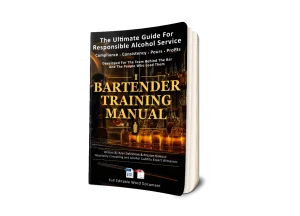
140 pages · 23 chapters
A one-page editable outline of the four-phase framework above. Adapt it for your venue.
140 pages, 23 chapters. The complete drafted training document, ready to customize for your venue.