RESPONSIBLE BEVERAGE SERVICE · STATE · OREGON

Oregon law and Oregon Administrative Rules require an Alcohol Service Permit for anyone who mixes, serves, or sells alcoholic beverages on a licensed premises that allows on-premises consumption, plus supervisors and managers of those employees. The framework is administered by the Oregon Liquor and Cannabis Commission (OLCC). This page covers the OLCC permit framework, the Alcohol Server Education (ASE) requirement, the new application process under House Bill 4138, validity and renewal, and operational implications for Oregon operators.
Last reviewed: [LAST REVIEWED DATE]. This page reflects information available as of the date above. Current OLCC requirements, approved providers, and statutory provisions should be verified directly with OLCC at oregon.gov/olcc before relying on this information for compliance. Operators should consult counsel for advice specific to their circumstances.
Effective March 31, 2025, House Bill 4138 made two operational changes Oregon employers should know:
In the same window, OLCC retired paper applications. All Service Permit applications, renewals, and updates now flow through the CAMP online portal at camp.olcc.online.
Alcohol service in Oregon is regulated by the Oregon Liquor and Cannabis Commission (OLCC). The Service Permit framework is established under Oregon State Law and Oregon Administrative Rules. The permit operates alongside the establishment-level liquor license and the Alcohol Server Education (ASE) curriculum.
Three frameworks operate together:
The establishment-level license issued by OLCC. Full and Limited On-Premises Sales licenses are the most common for restaurants and bars.
The mandatory individual permit. Required before serving, mixing, or selling alcohol. The compliance centerpiece for Oregon servers.
The Alcohol Server Education curriculum, delivered by OLCC-approved providers. The required training prerequisite before the OLCC final exam.
Under the post-HB 4138 framework, getting an Oregon Alcohol Service Permit is a four-step process. All applications now flow through CAMP, OLCC’s online Cannabis and Alcohol Management Program portal:
Permit and a form of identification must be available for immediate inspection by OLCC representatives, peace officers, or law enforcement at all times while the holder is working. Digital permits saved to a phone or tablet are acceptable.
Oregon law requires a Service Permit for anyone who mixes, serves, or sells alcoholic beverages on a licensed premises that allows on-premises consumption. The covered roles are broader than they may first appear:
Note on third-party delivery drivers: Since January 1, 2024, alcohol delivery drivers for third-party platforms (DoorDash, Uber Eats, Grubhub, Spark, and similar) are required to complete a separate alcohol delivery training. This is distinct from the OLCC Alcohol Service Permit and addresses delivery-specific regulations on ID verification, intoxication signs, and delivery handoff requirements.
Note on TSL nonprofit exception: A Temporary Sales License (TSL) holder that is also a nonprofit or charitable organization registered with the Oregon Secretary of State may use volunteer alcohol servers without Service Permits, provided those servers have read, signed, and dated the OLCC’s ‘What Every Volunteer Alcohol Server Needs to Know’ brochure. This exception is narrow and does not extend to ordinary licensed premises.
The Service Permit covers the individual server. Under HB 4138, on-premises licensees are also expected to maintain operational accountability through a designated permit holder. A venue-level written program supports that accountability with documented standards, refusal protocols, and incident records.
The OLCC Service Permit covers the individual server. It does not, on its own, serve as the venue’s internal Responsible Beverage Service program. Oregon operators concerned with civil dram shop exposure or seeking to demonstrate operational training adequacy in any administrative or insurance context typically maintain both:
The Ultimate Responsible Alcohol Service Manual provides the venue-level program document. For the standalone RBS program document, see the RBS Program Template.
Responsible Beverage Service Pillar →The full RBS framework
TIPS vs ServSafe vs State RBS →Comparison of training programs
Training and Liability Pillar →The broader liability framework
Refusing Service Protocols →Practical refusal scripts and procedures
Ryan Dahlstrom
Author & Expert Witness
20+ years of hospitality operations. Author of The Ultimate Responsible Alcohol Service Manual and active dram shop expert witness.
RegulatorOLCC (Oregon Liquor and Cannabis Commission)
StatuteOregon Admin Rules · HB 4138 (2024)
State MandateMandatory · Service Permit required
Validity5 years
Hire DeadlineBefore serving alcohol · no temp window
Verify Atcamp.olcc.online →
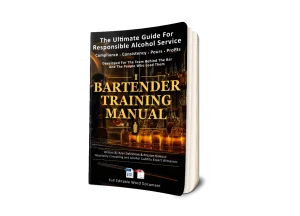
A venue-level written RBS program to supplement individual OLCC Service Permits.
The Ultimate Responsible Alcohol Service Manual provides the venue-level written program Oregon operators need alongside individual OLCC permits — with acknowledgement forms, refusal protocols, and incident reporting templates aligned with HB 4138 expectations.