RESPONSIBLE BEVERAGE SERVICE · STATE · TEXAS

Alcohol service in Texas is regulated by the Texas Alcoholic Beverage Commission (TABC). This page covers the seller-server certification framework, who needs certification, the Safe Harbor protection under Texas Alcoholic Beverage Code Section 106.14, and the operational steps Texas operators take to maintain compliance and preserve the affirmative defense.
Last reviewed: [LAST REVIEWED DATE]. This page reflects information available as of the date above. Current TABC requirements, approved programs, and statutory provisions should be verified directly with TABC at tabc.texas.gov before relying on this information for compliance. Operators should consult counsel for advice specific to their circumstances.
Alcohol service in Texas is regulated by the Texas Alcoholic Beverage Commission (TABC). TABC is the state agency responsible for administering the Texas Alcoholic Beverage Code, licensing establishments, regulating alcohol sales and service, and approving training programs for alcohol servers.
Texas operators should understand three related but distinct frameworks:
The permits required to sell alcohol — establishment-level. Mixed Beverage Permits, Beer and Wine Retailer’s Permits, and others.
Seller-server training for individuals. Voluntary at the state level but commonly required by employers.
The affirmative defense under Section 106.14 that can limit employer administrative liability when conditions are met.
An important nuance: Texas law does not require individual seller-server certification across all license types. Most Texas employers nevertheless require certification because doing so positions the business to claim Safe Harbor protection if a violation occurs.
TABC approves specific seller-server training programs. Individuals who complete an approved program receive a certificate that is valid for two years from the issue date and must be renewed before expiration. The certification covers core content areas:
Multiple programs are typically approved by TABC, with delivery formats including online, in-person, and hybrid. Most providers use a final exam with a 70 percent or higher passing standard. Operators should verify current program approval status with TABC before requiring or recommending a specific program.
For employers seeking Safe Harbor protection, TABC’s definition of an ‘employee’ covers anyone who sells, serves, dispenses, or delivers alcoholic beverages, and anyone who manages, directs, supervises, or controls alcohol sales or service. In practice, this means certification should generally extend to:
Specific requirements may vary by license type and role. For Safe Harbor protection, employers must ensure all such employees are certified within 30 days of their hire date. Verify current rules with TABC for the specific license category and role.
Texas Alcoholic Beverage Code Section 106.14, with implementing rules at TABC Administrative Rules Section 34.4, is commonly called the ‘Safe Harbor’ provision. When the conditions are met, TABC will not take administrative action against the retailer’s license or permit if an employee makes an illegal sale to a minor or intoxicated customer.
Safe Harbor is a protection against administrative action by TABC — it does not eliminate criminal exposure for the seller, and it does not eliminate civil dram shop liability. The seller may still be arrested and prosecuted; the establishment may still be sued. The defense is, however, a meaningful protection of the licensee’s ability to continue operating.
The conditions for Safe Harbor protection are:
Each condition is a documentable element. Operators who treat Safe Harbor as a checklist of documentation requirements rather than a passive entitlement are in stronger position. For the detailed treatment of Safe Harbor, including how the indirect-encouragement condition has been interpreted by Texas courts, see Safe Harbor Training Requirements.
TABC certification covers the individual server. The Safe Harbor framework also requires the employer to maintain written responsible alcohol service policies — a venue-level program document. The Ultimate Responsible Alcohol Service Manual is built to that purpose, customized for Texas operators with TABC-specific regulatory content.
TABC certification covers the individual server. It does not, on its own, serve as the venue’s internal Responsible Beverage Service program. The Safe Harbor conditions explicitly require the employer to maintain written responsible alcohol service policies — this is a separate document from the seller-server certificate.
Texas operators typically maintain both:
The Ultimate Responsible Alcohol Service Manual provides the venue-level program document and customizes for Texas with TABC-specific regulatory content. For the standalone RBS program document, see the RBS Program Template.
Responsible Beverage Service Pillar →The full RBS framework
Safe Harbor Training Requirements →Section 106.14 in detail
Training and Liability Pillar →The broader liability framework
TIPS vs ServSafe vs State RBS →Comparison of training programs
Ryan Dahlstrom
Author & Expert Witness
20+ years of hospitality operations. Author of The Ultimate Responsible Alcohol Service Manual and active dram shop expert witness.
RegulatorTABC (Texas Alcoholic Beverage Commission)
StatuteTX ABC §106.14(a) · TABC Rules §34.4
State MandateVoluntary at state level · required for Safe Harbor
Validity2 years
Hire Deadline30 days from hire date
Verify Attabc.texas.gov →
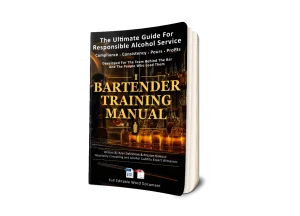
The venue-level written RBS program required for Safe Harbor compliance.
The Ultimate Responsible Alcohol Service Manual provides the venue-level written RBS program Safe Harbor requires — with TABC-specific regulatory content, acknowledgement forms, and refusal protocols.