TRAINING AND LIABILITY · DRAM SHOP STANDARDS

In dram shop litigation, the adequacy of the establishment’s training is repeatedly the central factual question. This page covers the training standards that recur in dram shop matters: what training content courts and industry have treated as adequate, what documentation elements matter most, and what training failures reliably create liability exposure.
Educational Content Notice: This page provides educational information about training standards as they relate to dram shop matters. It is not legal advice and should not be relied upon as legal advice. Alcohol service laws vary by state and change over time. Operators should consult qualified legal counsel for advice specific to their circumstances. Attorneys evaluating expert witness engagements can reach Ryan Dahlstrom directly regarding dram shop and alcohol service liability matters.
This page is written from the perspective of an expert witness who testifies regularly on training adequacy in dram shop matters. The framework below is consistent with positions advanced by both plaintiff and defense experts and reflects the documentary patterns that recur across cases.
Adequate bartender training for responsible alcohol service covers specific content areas that recur across industry standards, state regulations, and expert testimony. The core content areas:
Training that omits any of these content areas creates specific gaps that opposing experts can identify and exploit. The establishment that cannot point to training in intoxication recognition, for example, faces the question of how the bartender was expected to recognize intoxication.
Content alone is not sufficient. The training must be documented. Six categories of documentation matter most in dram shop matters:
The written training materials themselves — a training manual, curriculum document, or equivalent text that demonstrates what the training program contained. Oral training without supporting materials does not constitute documented training for defense purposes.
Training logs that record who was trained, on what topic, by whom, on what date, with what duration, and with signed acknowledgement. For the specific bartender involved in an incident, the personnel file should contain complete training delivery records covering the full content scope.
Documented evidence that the trainee could perform the skills or demonstrate the knowledge covered — written assessment scores, practical evaluation rubrics, scenario assessment results. A trainee who sat through training but never demonstrated competency raises the question of whether the training was effective.
Specific acknowledgements tied to specific content. Generic ‘I received the handbook’ blanket signatures have limited evidentiary value. Specific acknowledgements for the Alcohol Management Program, unacceptable behaviors, immediate termination offenses, and similar content are stronger evidence.
Documentation that training was maintained after initial certification. A bartender who was trained three years prior with no documented refresher training is in a weaker position than one with ongoing documented education.
Documentation of prior incidents, refusals, and interventions. Incident reports demonstrate that the responsible service program is actively practiced, not just documented.
Training content plus documentation is the baseline. Enforcement is the layer that separates genuine training programs from paper-only programs. Courts and expert reviewers look for enforcement evidence:
The pattern that reliably damages establishments is the documented training program combined with operational practice inconsistent with it. A venue that trains bartenders to refuse service and then disciplines bartenders who refuse service to high-tippers has a gap between written policy and operational reality that is damaging evidence.
Across cases, the same training failures recur:
Expert witnesses in dram shop matters typically address the standard of care — what a reasonable establishment would have done to prevent the foreseeable harm that occurred. Training is a significant element of the standard of care analysis. Specific questions that arise:
Affirmative answers to these questions support defense positions. Negative answers support plaintiff positions. The documentary record determines which answers the establishment can produce.
Some states provide affirmative defenses that limit dram shop liability when specific training conditions are met. Texas Alcoholic Beverage Code Section 106.14 is the most prominent. These provisions typically require not just training but specific documented training — approved programs, verified attendance, documented completion.
For the detailed treatment of Safe Harbor specifically, see Safe Harbor Training Requirements.
Training and Liability Pillar →The broader liability framework
Safe Harbor Training Requirements →Texas TABC 106.14 and similar provisions
Training Documentation Pillar →The full documentation framework
Responsible Beverage Service Pillar →The operational framework training must deliver
Ryan Dahlstrom
Dram Shop Expert Witness
Active dram shop expert witness, plaintiff and defense engagements nationwide. 20+ years of hospitality operations.
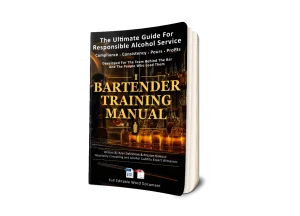
140 pages · 23 chapters
A printable audit checklist covering the ten content areas, six documentation requirements, and the enforcement layer.
The Manual contains the full content scope, documentation infrastructure, and enforcement framework described above — assembled as one operational document.